Best Home Gadgets in 2026: 12 Smart Products Worth Buying


📌 Key Takeaways
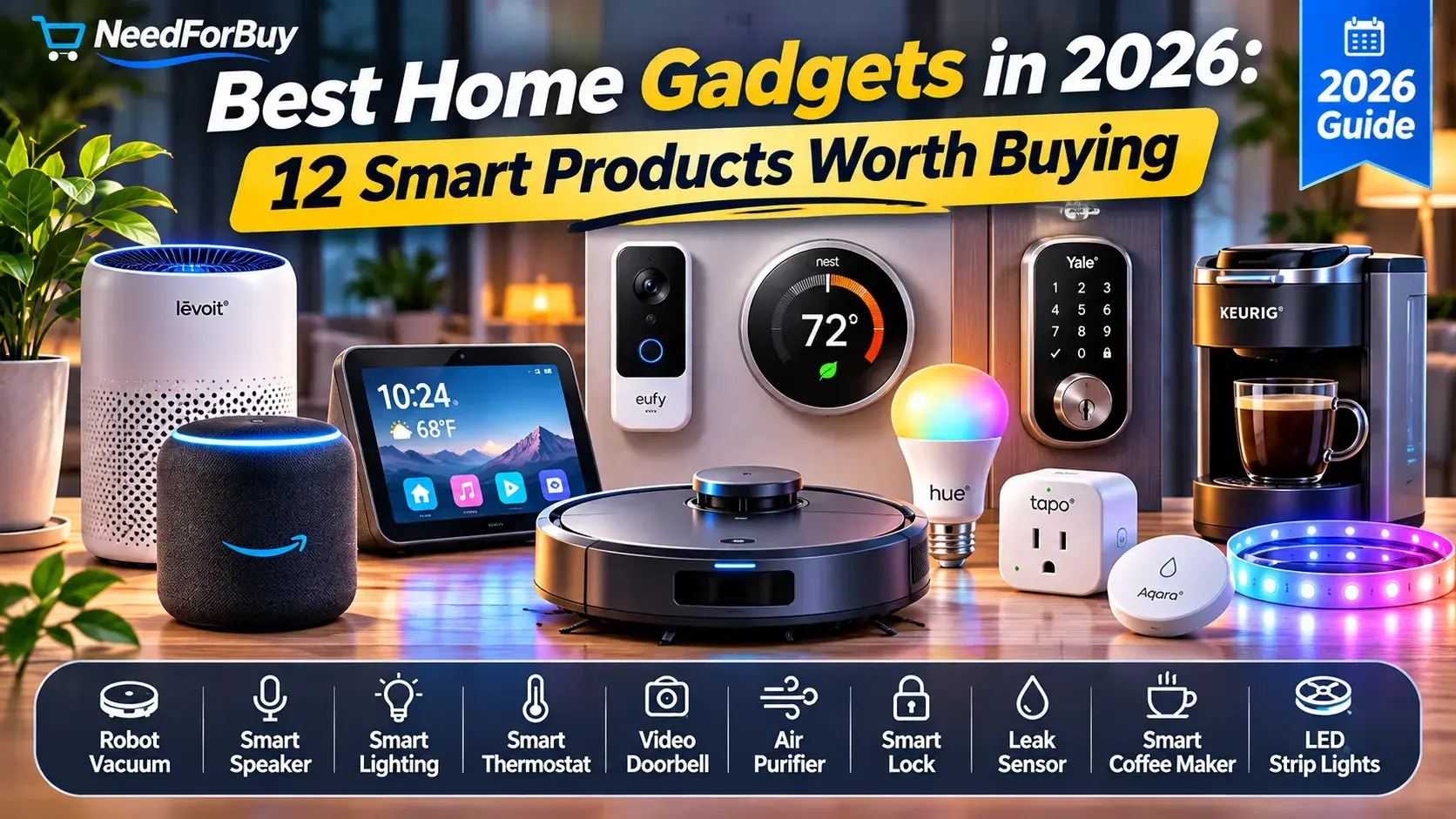
Smart home gadgets promise to make everyday life easier. But with thousands of connected devices, automated appliances, and clever accessories available, it’s not always obvious which products are actually worth buying.
Some gadgets solve everyday problems. Others introduce complicated apps, subscriptions, or maintenance requirements that outweigh their benefits.
The best home gadgets in 2026 aren’t necessarily the most expensive or technologically advanced. They’re the products that save time, improve comfort, simplify household tasks, or provide useful information.
Don't Miss


In this NeedForBuy buying guide, we’ve selected 12 practical home gadgets worth considering, from robot vacuum cleaners and smart speakers to leak detectors and connected lighting.
We’ll explain what each device does, who should buy it, its main advantages and disadvantages, and what to check before spending money.
Affiliate disclosure: As an Amazon Associate, NeedForBuy earns from qualifying purchases. Some links may generate commissions at no additional cost to you.
Ready to Save Big?
Explore our hand-picked deals and exclusive coupons today.
Editorial methodology: These recommendations are based on published specifications, product capabilities, independent reviews, and practical buying considerations. NeedForBuy has not independently laboratory-tested these products. Prices and availability vary.
Quick Comparison: Best Home Gadgets for 2026
| Gadget | Recommended product | Best for |
|---|---|---|
| Robot vacuum | Roborock QV 35A | Automated floor cleaning |
| Smart speaker | Amazon Echo Dot Max | Voice control |
| Smart plug | TP-Link Tapo P125M | Affordable automation |
| Smart lighting | Philips Hue Starter Kit | Custom lighting scenes |
| Smart thermostat | Google Nest Learning Thermostat (4th Gen) | Heating and cooling control |
| Video doorbell | eufy Video Doorbell E340 | Front-door monitoring |
| Air purifier | Levoit Core 300S | Bedroom air filtration |
| Smart display | Amazon Echo Show 8 | Kitchen and home dashboard |
| Smart lock | Yale Assure Lock 2 | Keyless access |
| Water leak detector | Aqara Water Leak Sensor | Early leak detection |
| Smart coffee maker | Keurig K-Supreme Plus SMART | Convenient coffee preparation |
| Smart LED strip | Govee RGBIC LED Strip Lights | Decorative lighting |
Our top recommendation for beginners: Start with a smart plug or smart speaker. They’re relatively simple ways to explore home automation without committing to an expensive ecosystem.
1. Roborock QV 35A — Best Robot Vacuum for Everyday Cleaning
Robot vacuums are among the most practical home gadgets because they automate a repetitive household chore.
The Roborock QV 35A combines vacuuming and mopping with intelligent navigation and an automated docking station.
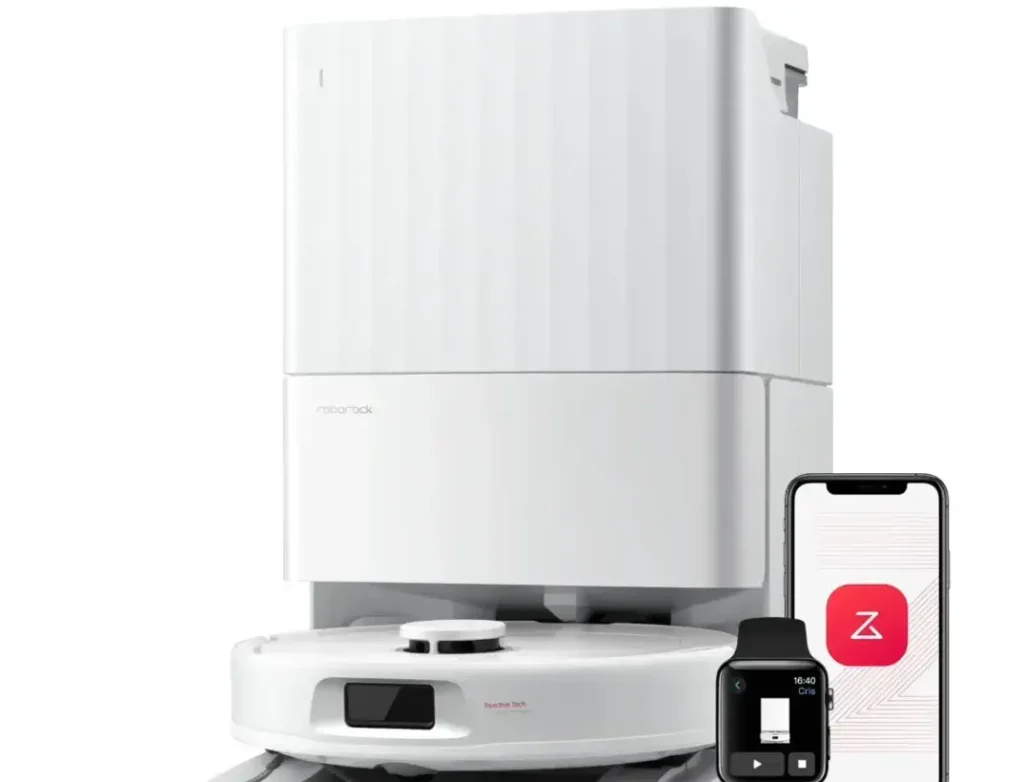
Key Features
- 8,000 Pa advertised maximum suction.
- LiDAR-based navigation.
- Dual spinning mop pads.
- Automatic dust emptying.
- Mop washing and drying.
- App-based schedules and cleaning zones.
The multifunctional dock reduces routine maintenance, although users still need to refill or empty water tanks, replace consumables, and clean the machine periodically.
Pros
- Automates regular floor maintenance.
- Combines vacuuming and mopping.
- Mapping supports room-specific cleaning.
- Automated dock reduces daily handling.
Cons
- Requires space for the docking station.
- More expensive than basic robot vacuums.
- Cannot replace every deep-cleaning task.
- Cables and small objects may still cause problems.
Best for: Busy households, pet owners, and people who want regular automated floor maintenance.
Who should skip it: Buyers with very small spaces, complicated floor layouts, or limited budgets who can manage with a conventional vacuum.
Buying tip: Compare the QV 35A with similarly priced alternatives and check replacement accessory costs before purchasing.
2. Amazon Echo Dot Max — Best Smart Speaker for Alexa Homes
A smart speaker is often the easiest starting point for a connected home.
The Amazon Echo Dot Max is designed for voice assistance, music playback, and compatible smart-home controls.
Key Features
- Alexa voice assistance.
- Music and audio playback.
- Smart-home control capabilities.
- Support for compatible connected devices and automation.
- Compact design.
Pros
- Convenient hands-free control.
- Useful for reminders, timers, and routines.
- Can help coordinate compatible smart devices.
- Suitable for bedrooms, kitchens, and offices.
Cons
- Requires an internet connection for many functions.
- Some features depend on region or service availability.
- Privacy-conscious buyers may prefer less connected devices.
Best for: Households already using Alexa or planning to build an Alexa-compatible smart home.
Who should skip it: People who prefer offline controls or already rely on an incompatible smart-home ecosystem.
Buying tip: Check which Alexa features and subscriptions are available in your country.
3. TP-Link Tapo P125M — Best Affordable Smart Home Upgrade
A smart plug can turn an ordinary electrical appliance into a remotely controlled device.
The TP-Link Tapo P125M is a compact Matter-compatible smart plug designed to work with supported smart-home platforms.
Key Features
- Remote power control.
- Scheduled on/off operation.
- Matter compatibility.
- Support for compatible voice assistants.
- Compact form factor.
Pros
- Affordable entry point into home automation.
- Easy to install.
- Useful for lamps and other suitable appliances.
- Scheduling can reduce unnecessary operating time.
Cons
- Cannot make an appliance’s internal functions smart.
- Requires compatible network and platform setup.
- Electrical load limits must be respected.
Best for: Beginners who want practical automation without replacing existing appliances.
Who should skip it: Anyone planning to use a plug with appliances exceeding its rated capacity or devices that should not be remotely switched.
Buying tip: Verify the plug’s voltage, amperage, and regional socket compatibility.
4. Philips Hue Starter Kit — Best Smart Lighting System
Smart lighting can improve comfort, convenience, and the atmosphere of a room.
Philips Hue offers connected bulbs, switches, and lighting accessories with configurable scenes and automation.
Key Features
- App-controlled lighting.
- Scheduling and automation.
- Adjustable brightness.
- Color and white-temperature options on supported bulbs.
- Integration with compatible smart-home platforms.
Pros
- Flexible lighting scenes.
- Mature accessory ecosystem.
- Convenient scheduling.
- Useful for living rooms, bedrooms, and home offices.
Cons
- Premium pricing compared with basic bulbs.
- Some configurations require a Hue Bridge.
- Not every starter kit includes color-changing bulbs.
Best for: Homeowners who want a scalable, customizable lighting system.
Who should skip it: Shoppers who only need basic on/off lighting and don’t require advanced scenes.
Buying tip: Check the exact contents of the starter kit, including bulb types, socket sizes, and whether a bridge is included.
5. Google Nest Learning Thermostat (4th Gen) — Best for Climate Control
A smart thermostat can make heating and cooling more convenient.
The fourth-generation Google Nest Learning Thermostat offers automated scheduling and temperature-management features for compatible heating and cooling systems.
Key Features
- Learning-based temperature schedules.
- Remote temperature adjustments.
- Home and away functionality.
- Integration with compatible smart-home systems.
- Temperature sensor support.
Pros
- Convenient climate control.
- Can reduce unnecessary heating and cooling.
- Attractive interface.
- Useful scheduling features.
Cons
- Installation compatibility varies.
- Not suitable for every HVAC system.
- Potential energy savings depend on household usage.
Best for: Homeowners with compatible heating and cooling systems who want more automated temperature control.
Who should skip it: Buyers whose HVAC system is unsupported or whose rental agreement restricts thermostat replacement.
Buying tip: Verify compatibility with Google’s official compatibility tools before ordering.
6. eufy Video Doorbell E340 — Best for Front-Door Monitoring
A video doorbell lets you check visitors and deliveries without opening the door.
The eufy Video Doorbell E340 uses a dual-camera approach to provide additional visibility around the entrance.
Key Features
- Dual-camera design.
- Package-area monitoring.
- Motion detection.
- Two-way audio.
- Night-vision capabilities.
- Supported local storage options.
Pros
- Useful for monitoring deliveries.
- Can provide additional visibility near the doorstep.
- Supports remote visitor communication.
- Flexible installation options.
Cons
- Performance depends on placement and connectivity.
- Installation may require additional accessories.
- Camera privacy and recording laws vary by location.
Best for: Households that regularly receive packages or want greater visibility around their front entrance.
Who should skip it: Residents who cannot install exterior devices or who already have a suitable camera system.
Buying tip: Check power requirements, local storage compatibility, and whether any optional features require additional purchases.
7. Levoit Core 300S — Best Compact Smart Air Purifier
Air purifiers can be useful for reducing airborne particles in suitable indoor environments.
The Levoit Core 300S combines filtration with connected controls.
Key Features
- Multi-stage filtration.
- App-based operation.
- Automatic operating modes.
- Scheduling and remote controls.
- Compact design.
Pros
- Suitable for many bedrooms and smaller rooms.
- Convenient scheduling.
- Replaceable filters.
- Straightforward daily operation.
Cons
- Filters require ongoing replacement.
- Noise increases at higher fan speeds.
- Cannot eliminate every indoor pollutant.
- Room-size suitability depends on airflow performance.
Best for: People seeking convenient particle filtration in a bedroom or small living space.
Who should skip it: Buyers expecting an air purifier to replace ventilation, source control, or professional remediation of serious indoor air problems.
Buying tip: Compare clean air delivery rate (CADR), room size, noise, and replacement-filter costs.
8. Amazon Echo Show 8 — Best Smart Display for the Kitchen
A smart display combines voice assistance with a touchscreen.
The Amazon Echo Show 8 can serve as a home dashboard, kitchen assistant, and entertainment device.
Key Features
- Touchscreen interface.
- Alexa voice assistance.
- Video calling on supported services.
- Smart-home controls.
- Music, timers, and reminders.
- Compatible camera feeds.
Pros
- Convenient for recipes and kitchen timers.
- Visual controls complement voice commands.
- Can serve as a central household information screen.
- Useful for managing compatible devices.
Cons
- Requires countertop space.
- Some content and services vary by region.
- Privacy settings deserve attention.
Best for: Kitchens, family spaces, and households already using Alexa.
Who should skip it: Buyers who don’t need a screen or prefer a simple speaker.
Buying tip: Compare screen size, device generation, and supported services before purchasing.
9. Yale Assure Lock 2 — Best Smart Lock for Keyless Access
Smart locks can make everyday entry more convenient.
The Yale Assure Lock 2 family includes different configurations, allowing buyers to choose features suited to their door and preferred access method.
Key Features
Depending on the specific model:
- Keypad entry.
- Access-code management.
- Automatic locking.
- App connectivity.
- Integration with compatible smart-home systems.
Pros
- Convenient keyless entry.
- Useful for family access codes.
- Reduces dependence on physical keys.
- Supports automated locking on compatible versions.
Cons
- Installation compatibility varies.
- Battery maintenance is necessary.
- Some connectivity features require additional hardware.
- Security depends partly on setup and account protection.
Best for: Households seeking convenient access management.
Who should skip it: Buyers with incompatible door hardware or restrictions on modifying existing locks.
Buying tip: Confirm the exact model’s connectivity and whether it includes a physical key backup.
10. Aqara Water Leak Sensor — Best Small Gadget for Preventing Water Damage
Some of the most useful smart-home products are also the least noticeable.
A water leak sensor can alert you when moisture is detected near vulnerable household areas.
The Aqara Water Leak Sensor is designed for compatible Aqara smart-home setups.
Key Features
- Water detection.
- Automation triggers.
- Compact design.
- Wireless operation.
- Integration with compatible Aqara hubs.
Pros
- Small and unobtrusive.
- Useful near washing machines and sinks.
- Can provide early warnings of leaks.
- Relatively simple maintenance.
Cons
- May require a compatible hub.
- Only detects moisture where the sensor is placed.
- Does not automatically stop water flow without additional compatible equipment.
Best for: Homes with appliances or plumbing locations where unnoticed leaks could cause damage.
Who should skip it: Buyers expecting a sensor alone to provide complete flood protection.
Buying tip: Place sensors at realistic leak points and test alerts periodically.
11. Keurig K-Supreme Plus SMART — Best Connected Coffee Maker
A connected coffee maker can simplify a morning routine, particularly for people who prepare coffee regularly.
The Keurig K-Supreme Plus SMART provides configurable brewing options and connected features.
Key Features
- Adjustable brewing preferences.
- Multiple cup-size options.
- Connected brewing functionality.
- Personalized beverage settings.
- Single-serve coffee preparation.
Pros
- Convenient everyday operation.
- Customizable drink settings.
- Suitable for households with different preferences.
- Quick single-serve preparation.
Cons
- Ongoing pod costs.
- Limited flexibility compared with traditional brewing methods.
- Requires cleaning and descaling.
- Connected features may not justify the premium for everyone.
Best for: Coffee drinkers who prioritize convenience and consistent single-serve preparation.
Who should skip it: Buyers who prefer freshly ground espresso, manual brewing, or lower ongoing consumable costs.
Buying tip: Compare the long-term cost of coffee pods before choosing a connected coffee maker.
12. Govee RGBIC LED Strip Lights — Best for Affordable Room Ambience
Smart LED strips can transform a bedroom, gaming setup, or entertainment area without major renovation.
Govee offers RGBIC lighting products that support customizable color effects.
Key Features
Depending on the model:
- Multicolor lighting effects.
- App-based controls.
- Scheduling.
- Music synchronization.
- Adjustable brightness.
- Preset lighting scenes.
Pros
- Flexible decorative lighting.
- Useful for gaming and entertainment spaces.
- Often more affordable than premium lighting systems.
- Easy to customize.
Cons
- Adhesive installation may not suit every surface.
- Some models require careful placement for even illumination.
- Connectivity and smart-home compatibility vary by version.
Best for: Bedrooms, gaming desks, entertainment areas, and decorative lighting projects.
Who should skip it: Buyers seeking primary room illumination rather than accent lighting.
Buying tip: Check strip length, power supply, mounting requirements, and compatibility before ordering.
Which Home Gadgets Are Actually Worth the Money?
Not every household needs all 12 products.
The most useful purchases solve a specific problem.
| Your priority | Start with |
|---|---|
| Spend less time cleaning | Robot vacuum |
| Control devices remotely | Smart plug |
| Improve room lighting | Smart bulbs |
| Monitor your entrance | Video doorbell |
| Manage indoor temperature | Smart thermostat |
| Detect possible leaks | Water leak sensor |
| Add hands-free controls | Smart speaker |
| Improve decorative lighting | LED strip |
A practical strategy is to purchase one or two devices, learn how they fit into your routine, and expand gradually.
How to Choose Smart Home Gadgets in 2026
1. Check Compatibility First
Smart-home products don’t always work with every ecosystem.
Common platforms include Amazon Alexa, Google Home, Apple Home, and Samsung SmartThings.
Matter can improve interoperability among supported products, but it does not guarantee that every feature will work across all platforms.
2. Consider the Total Cost
The initial purchase price is only part of the expense.
You may also need:
- Replacement filters or batteries.
- A compatible hub.
- Optional cloud storage.
- Subscription services.
- Installation accessories.
- Replacement cleaning supplies.
Compare long-term ownership costs before choosing a device.
3. Prioritize Useful Features
A device with 20 features isn’t automatically better than one with five.
Choose products based on what you’ll actually use.
4. Evaluate Privacy and Security
Connected cameras, speakers, locks, and sensors may collect or transmit information.
Review privacy settings, enable available account protections, and keep device software updated.
5. Compare Historical Prices
Smart-home products frequently appear in seasonal promotions.
Before buying, compare current prices with historical offers.
Use the NeedForBuy Amazon Price Tracker to explore price history and available tracking tools.
For additional guidance, read How to Track Amazon Prices and Find the Best Time to Buy.
Note: The second link is the proposed URL for our previous article. Use it after that article is published.
Where Should You Buy Smart Home Gadgets?
Amazon is a convenient starting point for branded electronics, but it isn’t always the cheapest option.
AliExpress may be worth comparing for basic accessories, while eBay can offer used and refurbished devices.
For expensive connected products, prioritize authentic devices, manufacturer support, software updates, and warranty coverage.
Read our Amazon vs AliExpress Comparison for additional marketplace buying advice.
Also see 10 Rules for Smart Online Shopping to avoid common purchasing mistakes.
Frequently Asked Questions
What are the best home gadgets in 2026?
Useful options include robot vacuums, smart plugs, connected lighting, smart speakers, video doorbells, and water leak detectors. The best choice depends on your household’s needs.
Are smart home gadgets worth buying?
They can be worthwhile when they automate repetitive tasks, improve convenience, or provide useful monitoring. Avoid buying connected devices solely because they are new or heavily discounted.
What is the best smart home gadget for beginners?
A smart plug is often a practical first purchase because it is relatively inexpensive and can add scheduling or remote power control to suitable existing appliances.
Do smart home gadgets save electricity?
Some devices can help reduce unnecessary energy use through scheduling and automated controls. However, actual savings depend on usage patterns, device efficiency, and standby power consumption.
Can smart home gadgets work without Wi-Fi?
Some devices support local connectivity or offline operation, but others require internet access for certain functions. Check each model’s requirements.
Is Matter important for smart home devices?
Matter is a connectivity standard intended to improve interoperability between supported smart-home platforms. It is useful when building a system with devices from multiple manufacturers.
When is the best time to buy home gadgets?
Major promotional periods such as Prime Day, Black Friday, and Cyber Monday may offer attractive discounts. Price-history tracking can help determine whether an offer is competitive.
Final Verdict: Build a Smarter Home, Not a More Complicated One
The best home gadgets in 2026 are the products that make daily routines easier without creating unnecessary complexity.
For most households, we recommend starting with three practical categories:
A smart plug for affordable automation.
A smart speaker for convenient voice controls.
A robot vacuum if automated floor cleaning would meaningfully reduce household chores.
From there, consider lighting, security, climate control, and monitoring devices based on your needs.
Before purchasing, verify compatibility, compare long-term costs, and check historical prices.
Shop smarter with NeedForBuy.
Explore our Amazon Price Tracker and Smart Shopping Guides to find better purchasing opportunities.
Editorial disclosure: This article is a researched buying guide, not a report of hands-on NeedForBuy testing. Product features and availability may change. Verify specifications with the manufacturer before purchasing.
Affiliate disclosure: As an Amazon Associate, NeedForBuy earns from qualifying purchases. Some other links may also be affiliate links.
Frequently Asked Questions
Is it safe to buy from AliExpress?
How can I save more on Amazon?
Get the Best Deals First
Join our newsletter and never miss a hot discount or a smart guide again.
You May Also Like

Choosing Your E-Commerce Destination: A Comparison of Marketplaces
